
-
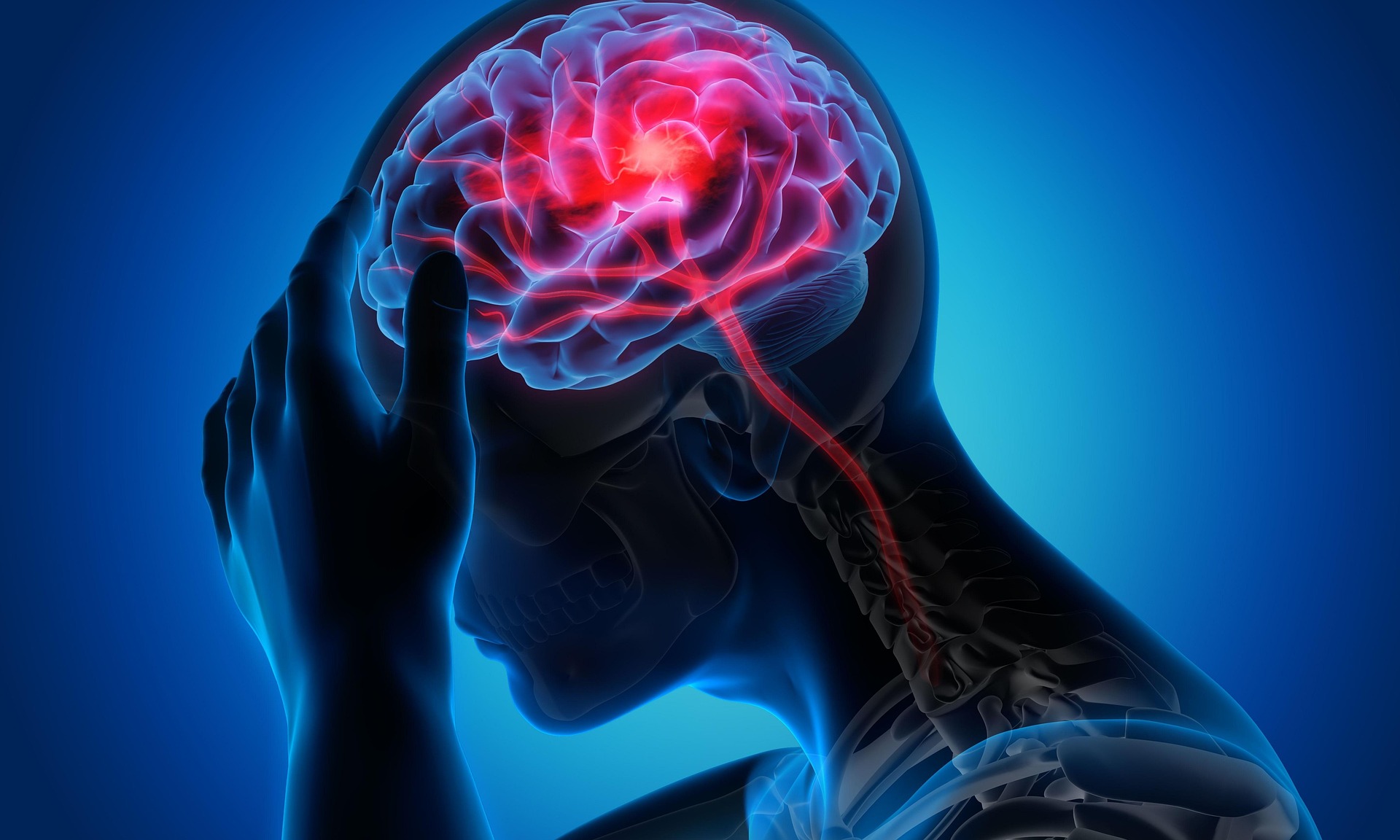
If you’ve been experiencing unexplained brain fog, chronic fatigue, bloating, itchy skin, overheating, headaches, heart palpitations or dry burning eyes that seem to worsen after eating certain “healthy” foods or wheat, milk, eggs, larger amount of meat, you might be dealing with sulfur intolerance—a condition that’s gaining recognition in health communities but often flies under…
-
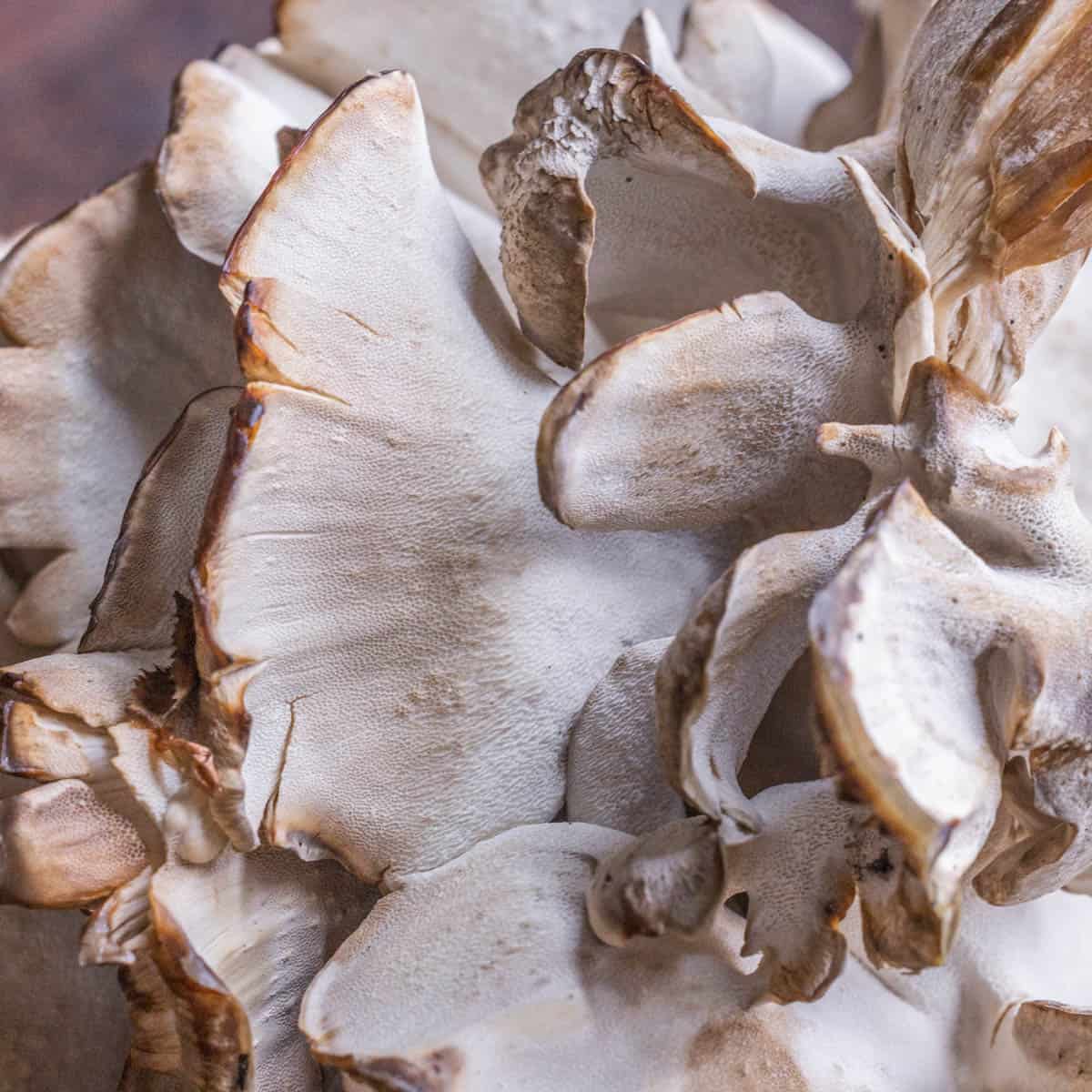
So, I’m walking into local Holland & Barrett, and I spot discounted Maitake mushrooms labelled “for Relax.” I had zero clue what they were, but hey—why not try something new? I tossed them in my basket, and honestly, the results were wild, well not that ‘wild’ as might imagine, 😉 but almost immediately felt calmer.…
-
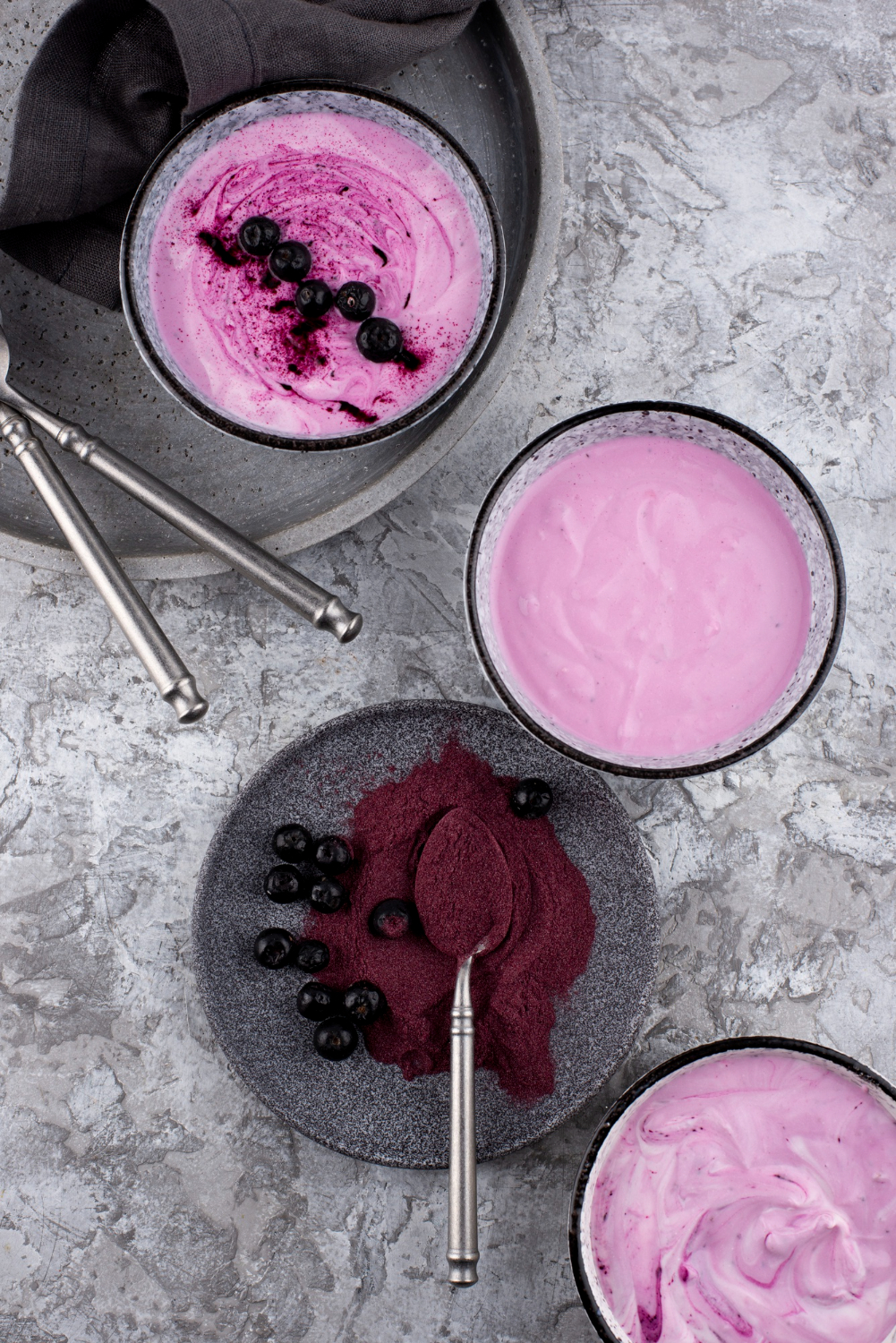
So far, Maqui berry is honestly one of the best superfoods I’ve ever tried. It’s kind of like regular blueberries, but the taste is way more intense and better, the color is this nice neon purple, and it even smells nicer. Maqui comes with a ton of benefits—like lowering cholesterol and inflammation, balancing blood sugar,…
-

If you’ve spent years coping with stress by overeating unhealthy foods, you’re not alone. But to truly change your body and mind, you need to retrain your brain to handle stress in healthier ways. Here’s a practical, science-backed approach to resetting your habits and fighting chronic inflammation. Step 1: Retrain Your Brain—Handle Stress Without Food…
-
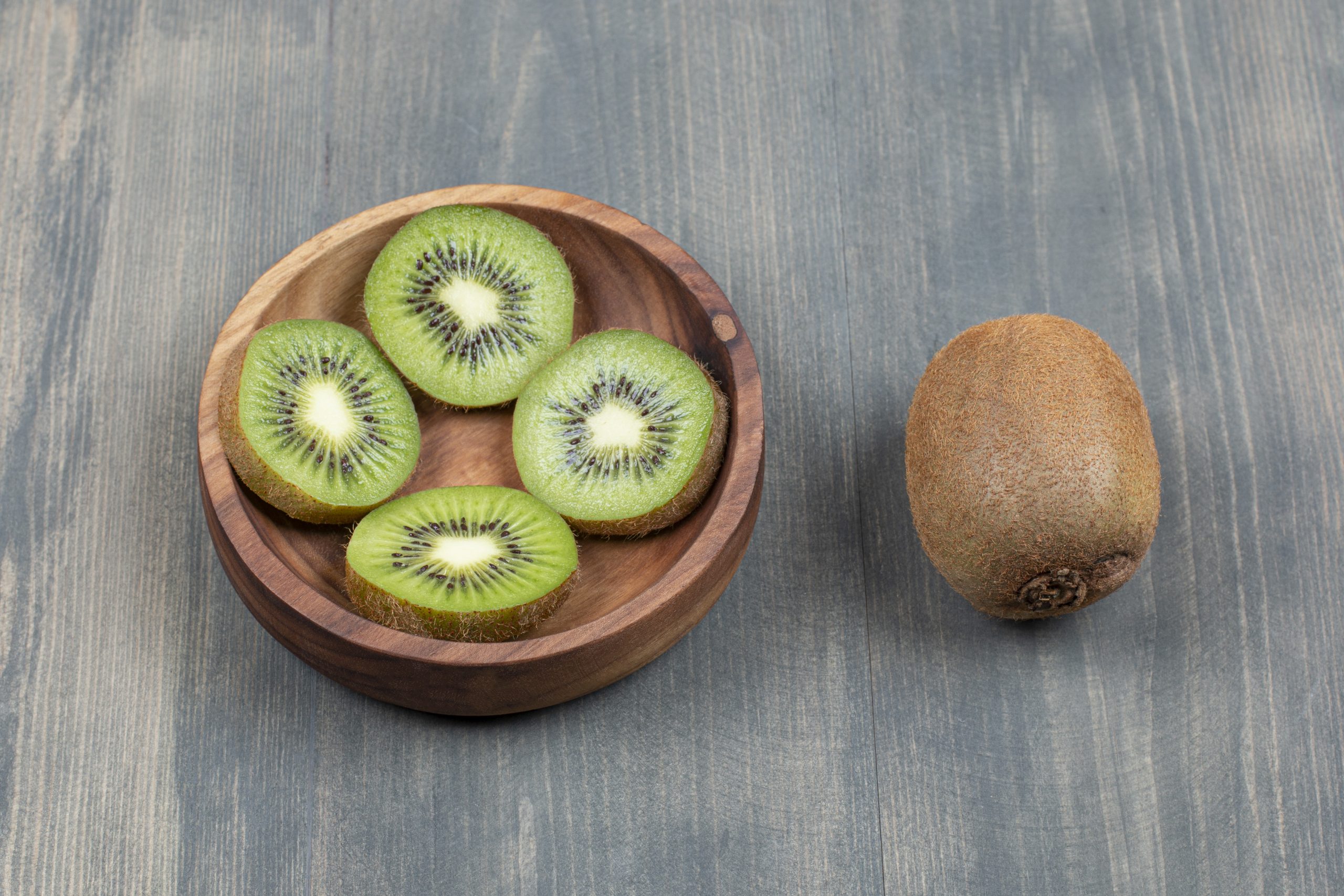
My Own Kiwi Sleep Experiment (kiwi-histamine liberator) Let me start with a little personal story. We women know that our sleeping patterns become disturbed after a certain age.After hearing about the benefits of kiwi fruit from a reputable doctor, I decided to try it myself. For one week, I ate one or two kiwis about…
-

Food allergies and sensitivities are caused by an inappropriate response of the immune system to common foods. 70-80% of the immune system is located in our intestines. How our system functions and responds to various substances is largely determined by our intestinal microbiome, which acts as a ‘coach’ for the immune system. In order to…
-

Allergies affect different parts of our body and take many forms and manifestations. It is typically a recurrence in connection with an encounter with a particular allergen. When an allergy is suspected, it is very important to undergo an allergy examination and learn about the nature of your disease. Allergic rhinitis (and conjunctivitis)Allergic rhinitis is…
-

Symptoms appear soon after eating (minutes to hours) and are a wide range of different manifestations. There may be headaches, hives, red and itchy skin and itchy eyes, runny nose, swelling, heart palpitations, migraines, hot flashes, asthma, diarrhea, cramps, muscles and joint pain, panic attacks, anxiety, IBS. The less common are: gum inflammation, contact dermatitis ,…
-
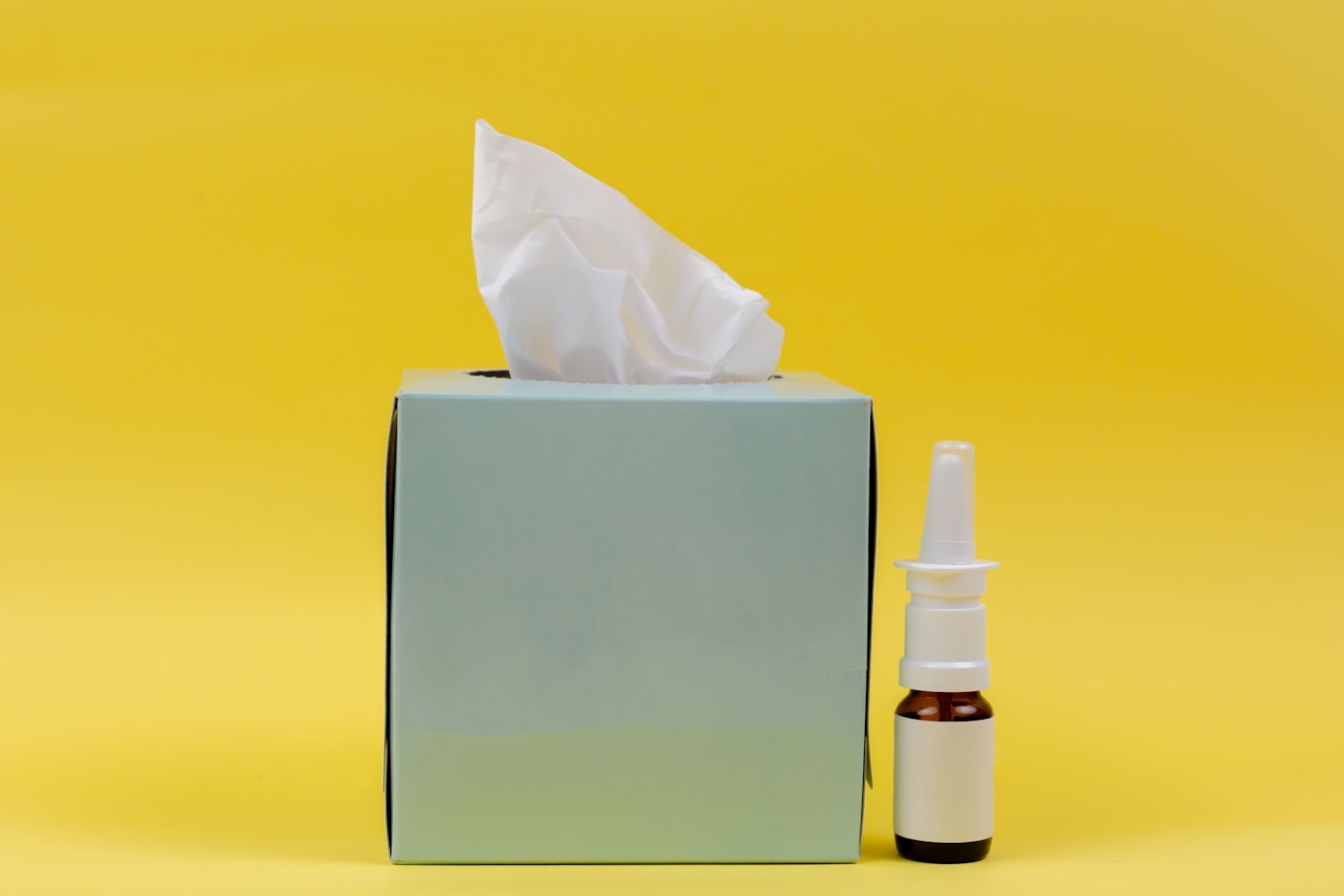
Natural antihistamines might be a better option than synthetic ones because synthetic ones are not suitable for long-term use, they become less effective or stop working, they can make you drowsy especially when a higher dose is taken, and in rare cases they can cause liver damage over time. Natural antihistamines have anti-inflammatory properties and…
-
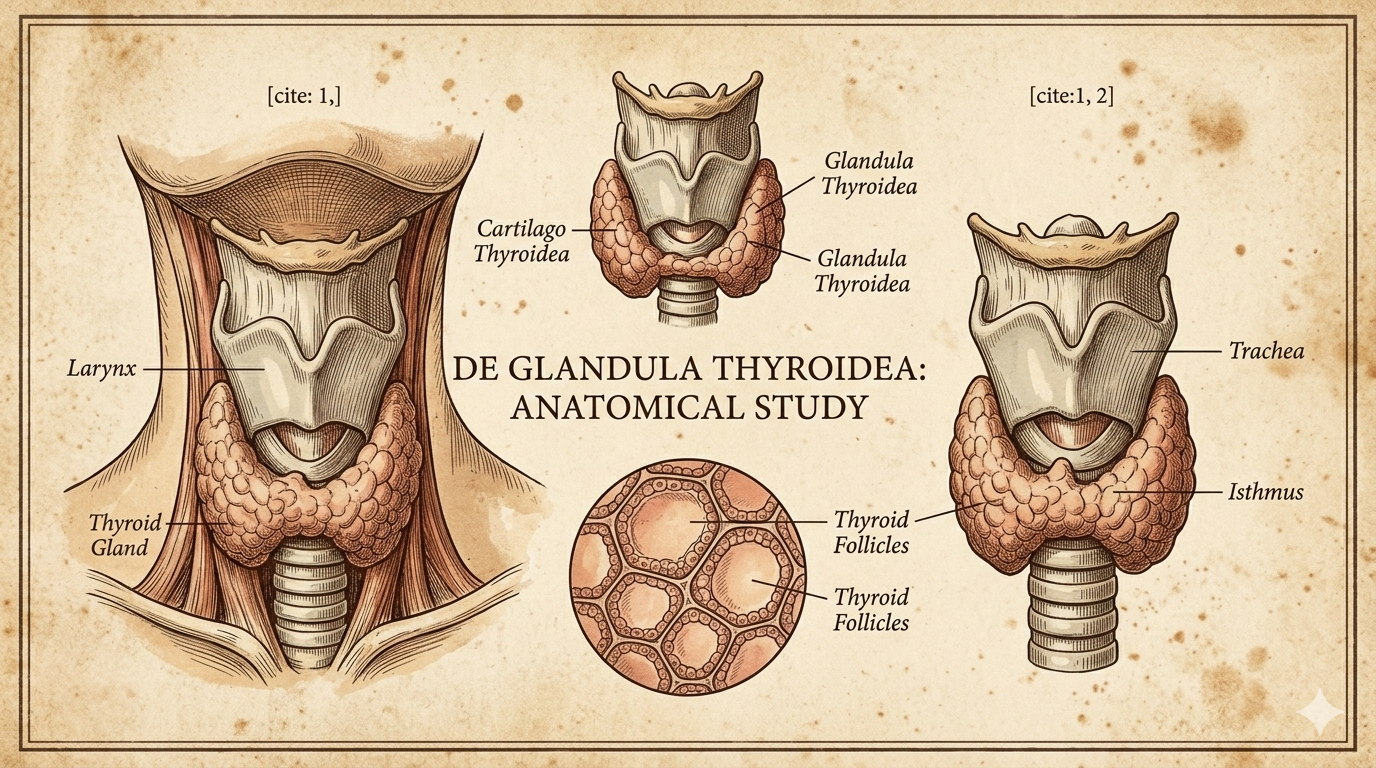
Histamine plays a key role in your body’s inflammatory response.I have learnt that my allergies/intolerances (and those of other people) get much worse when eating inflammatory foods such as dairy, gluten and sugar/simple carbs. The moment I touch cheese, I get itchy skin, brain fog, fatigue and bloating, and my histamine levels are high. The…
-
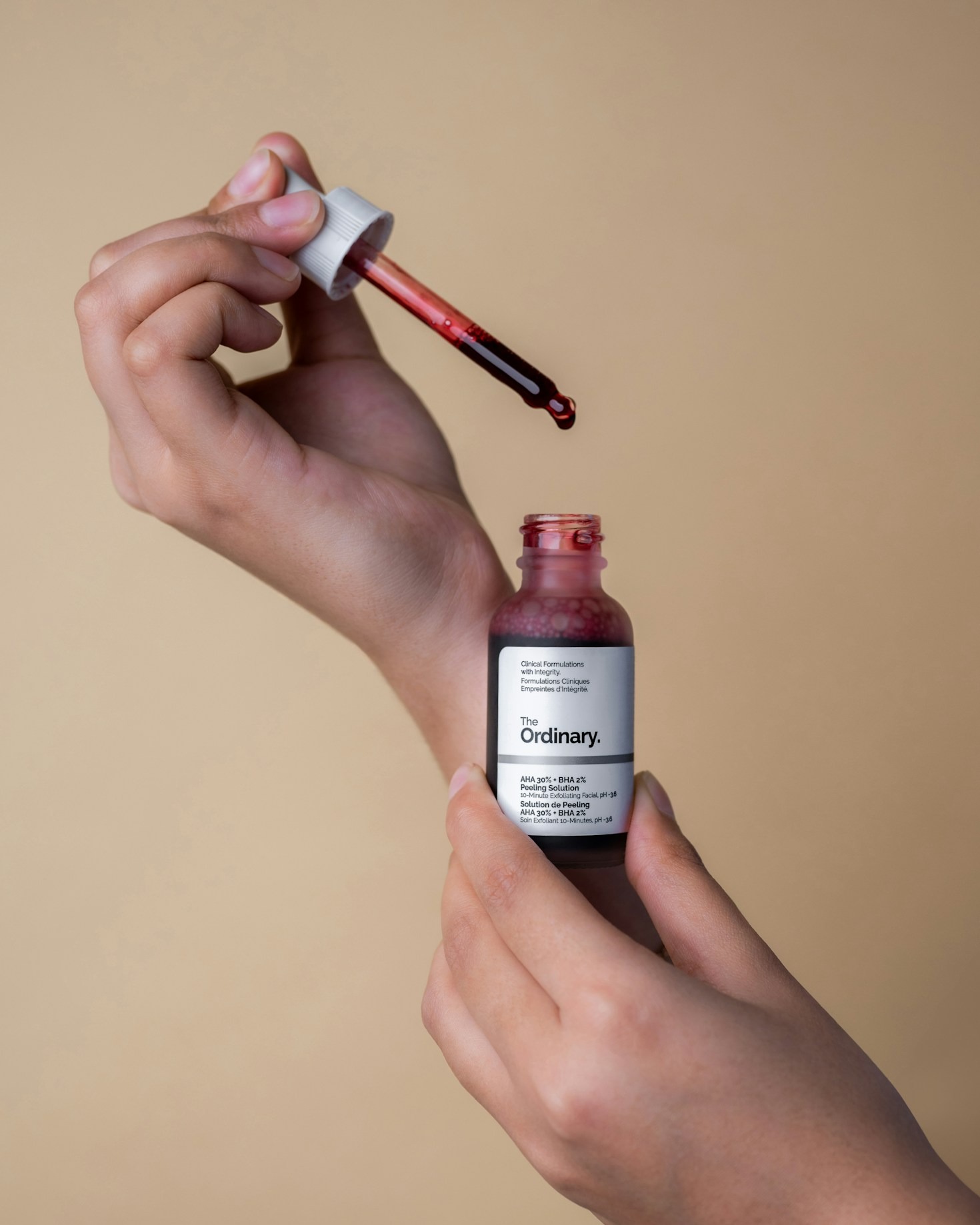
Histamine has been shown to play a role in the regulation of circadian rhythm and to act as a neurotransmitter. High levels of histamine in the body can lead to neurological disorders such as sleep disturbances and are more commonly associated with chronic or acute HIT. Trouble falling asleep, insomnia, frequent waking, superficial sleep, nightmares…
-

Please note, this article is not suggesting anyone avoid doctors. But increasingly, many women today feel that turning to the internet for health advice offers more support and answers than traditional medical consultations. A common experience shared by women across social media is feeling dismissed or unheard by doctors, especially when dealing with complex conditions…
-
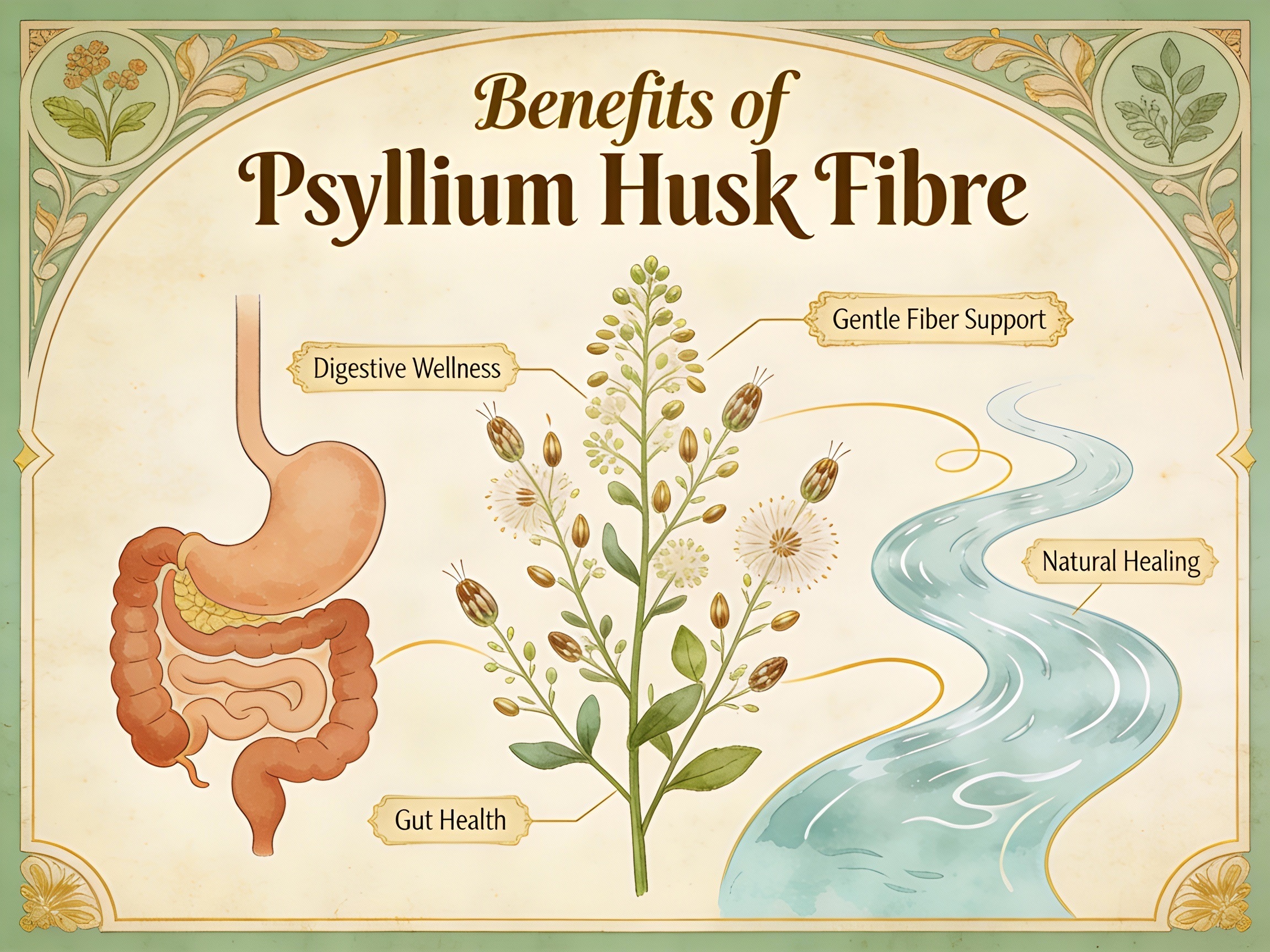
I’ve been finding psyllium husk fibre very helpful for managing my histamine and food intolerance symptoms, particularly because it slows down the absorption of food. Its great for digestion, and especially noticeable if you suffer with IBS like so many of us do. What’s also valuable is how psyllium husk works to bind mycotoxins if…