
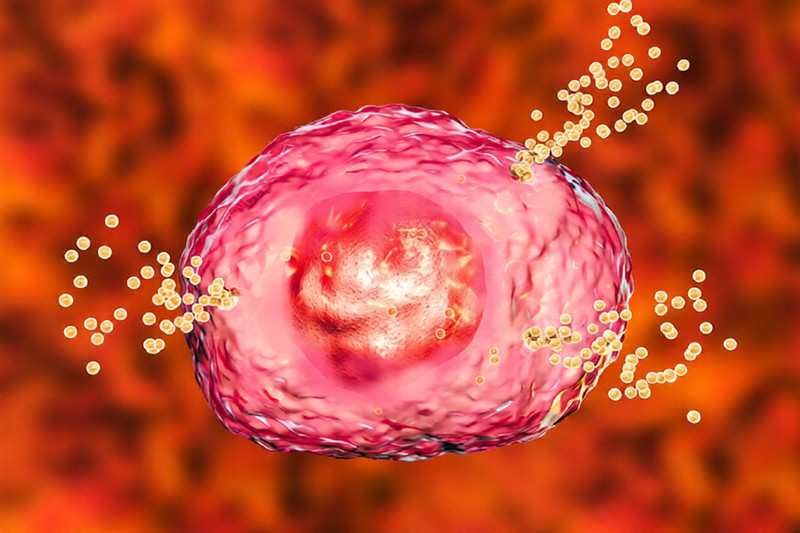
Many people with Mast Cell Activation Syndrome (MCAS) have faced years of dismissal and misunderstanding from the medical community, often being told their symptoms are “psychosomatic,” attributed to anxiety, or simply “all in their head”. This lack of medical support is particularly acute in places like the UK, where MCAS is considered “contentious” by NHS, with many doctors refusing to refer patients to immunologists or prescribe treatments due to cost or skepticism about the condition’s validity. My own experience was , i been told that unless its a life treatening allergies the only ‘ treatment’ is to advice you to take antihistamines, but i wasn’t aware there is possibility of treatments even on NHS such as mast cell stabilisers. Its when antihistamines dont help so further tests and diagnose is needed.
This post may contain affiliate links, which means we may receive a commission, at no cost to you, if you make a purchase through a link. Please see our full disclosure for further information.

Let’s look at the treatment options—both medication-based and natural—available for managing MCAS.
What Users on social media Find Most Helpful: Top 5 medical Treatments for Mcas/ high histamine
1. Ketotifen – Often highlighted as a game-changing mast cell stabilizer.
2. Cromolyn Sodium – Noted for stabilizing mast cells; many users credit it with reducing flares, though effectiveness varies widely.
3. Famotidine (Pepcid) – A go-to H2 blocker, frequently combined with H1 antihistamines for dual protection.
4. Montelukast (Singulair) – Especially helpful for those with respiratory symptoms, but must be used with caution due to possible neuropsychiatric side effects.
5. LDN (Low-dose Naltrexone) modulating the immune system, reducing mast cell degranulation, helps with POTS, and lowering inflammatory cytokines.
6. Nasalcrom ((cromolyn sodium) Unlike antihistamines that block histamine after it’s released, NasalCrom stops its release before it happens.
Top natural treatment
1. Quercetin (Amazon) – A natural mast cell stabilizer and antihistamine, often used alongside vitamin C; supplements like luteolin or Rutin are preferred by some with sensitivities to quercetin.
2. Low- histamine diet The most important factor in managing histamine
3. Vitamin C Ascorbic Acid powder (Amazon) Supports Dao enzyme, reduces symptoms of Mcas / HI, prevents histamine release.
4. Luteolin Luteolin with Routine Complex (Amazon) stabilize mast cells, reducing inflammation
5. Rutin (Amazon) stabilize mast cells, helps regulate histamine release
6. PEA (Palmitoylethanolamide) get it here (Amazon) Alternative to CBD, improves sleep, anti-inflammatory
Most people benefit from combining H1 antihistamines like cetirizine, loratadine, Fexofenadine (Amazon ). its recommended to rotate H1), with H2 blockers (on prescribcion like famotidine ). Those with more severe symptoms or high inflammation sometimes require higher antihistamine doses, up to three times a day.
Dr. B. Hoffman’s ( specialising on Mcas) guidance supports both pharmaceutical and natural intervention. His approach blends H1 and H2 blockers, mast cell stabilizers, leukotriene inhibitors) with dietary changes, reduction of environmental triggers, and natural supplements like vitamin C, and DAO. Individual responses to medications and supplements are highly variable; trial and error is typically necessary before finding the right medication and dose. Its important to start low and increase dose slowly. Patients are encouraged to work with knowledgeable practitioners when possible.
Research clearly shows that MCAS treatment is not “one size fits all” as genetics, underlying triggers, severity of inflammation and tolerances for ingredients / fillers in each medication shape therapy success. What’s life-changing for one individual may be ineffective or even harmful for another.
Remember: This is not medical advice. Work with a practitioner familiar with HIT/MCAS/Hormones if possible, especially if you’re on other medications or have complex health issues. Full disclosure.
Have you had good experiences with doctors treating your MCAS?
Reference Links for Further Reading;
* Patient stories and treatment polls: Reddit r/MCAS, r/lowhistamine, r/mastcell, r/medicine.
* Dr. Bruce Hoffman’s recommendations: Dr. Hoffman MCAS protocols.
* SIGHI low-histamine diet information: SIGHI Guide.
* Peer discussions on top mast cell stabilizers and supplements: Reddit medication survey, Natural therapies thread.
MCAS Mast Cell Activation https://www.facebook.com/groups/3505452313112628
Mast Cell Activation (UK only) https://www.facebook.com/groups/368740546663534/?notif_id=1764236545582525¬if_t=group_r2j_approved&ref=notif
Successful treatment of postural orthostatic tachycardia and mast cell activation syndromes using naltrexone https://pmc.ncbi.nlm.nih.gov/articles/PMC5778345

Leave a Reply