
Science, Social Insight, and Holistic Practice
Category: Managing Histamine/Allergies
-
Untreated histamine intolerance (HIT) can pose significant health risks because the accumulation of histamine in the body leads to uncomfortable and sometimes severe symptoms that affect multiple organ systems. If this condition is ignored or improperly managed over the long term, it can cause a significant decline in quality of life and lead to various…
-

“Nobody in the histamine or MCAS community mentions dandelion because it is not marketed like other overpriced supplements, but I think it is very helpful for people with histamine issues. It supports the liver and kidneys, lowers inflammation in the gut as it is a prebiotic, protects against or binds mycotoxins we are sensitive to,…
-
Did you know that Candida can contribute to high‑histamine symptoms, as the toxins released by Candida disrupt, imbalance the gut, and increase inflammation and sensitivity to food? Addressing Candida can absolutely improve symptoms by lowering the total inflammatory load. As people with histamine issues often cannot tolerate antifungals, we have to rely on natural treatment.…
-
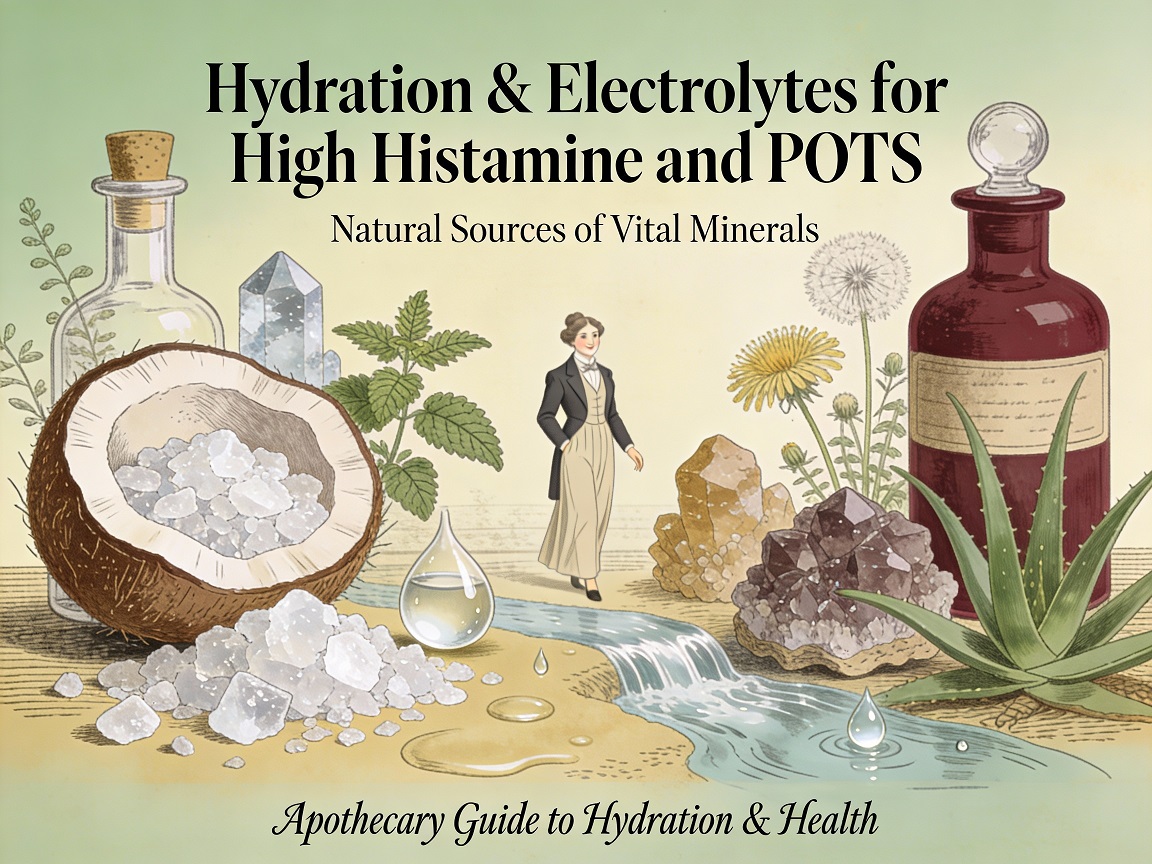
If you have high histamine issues, and especially POTS (Postural Orthostatic Tachycardia Syndrome), you have greater needs for water intake. Antihistamines can also cause dehydration , and if you experience diarrhea or loose stools, dehydration can worsen quickly. Many people with histamine intolerance agree that taking electrolytes 2–3 times daily significantly decreases their symptoms and…
-

Let’s start new year with an attempt to put a positive spin on this difficult illness and explore the question: are there any benefits to having high histamine? I know you might think what a bold question, and you may think there aren’t any benefits to suffering from high histamine and inflammation, but actually, there…
-

Best Dehumidifiers for MCAS, Allergies & Mold Exposure (UK‑Friendly) Did you know that mycotoxins (poisons made by mould) are an often overlooked root cause in the development and persistence of histamine intolerance and MCAS symptoms? Mould spores can keep mast cells activated long after you’ve left a water‑damaged environment, which is why ongoing symptoms can…
-
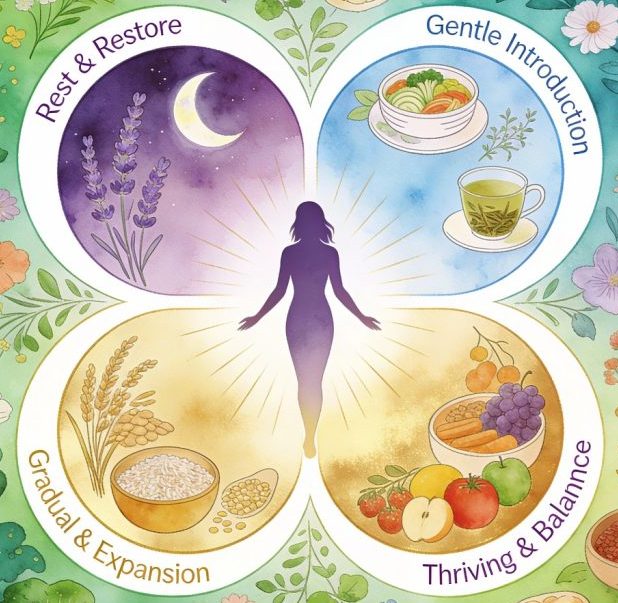
Low-Histamine Diet: Foods, Meal Plans and Recipes When the body cannot properly metabolize histamine, it leads to various health problems such as headaches, rashes, digestive issues, or even breathing problems. An important part of treating histamine intolerance is a low-histamine diet. What does it look like, which foods can you eat on it, and which…
-
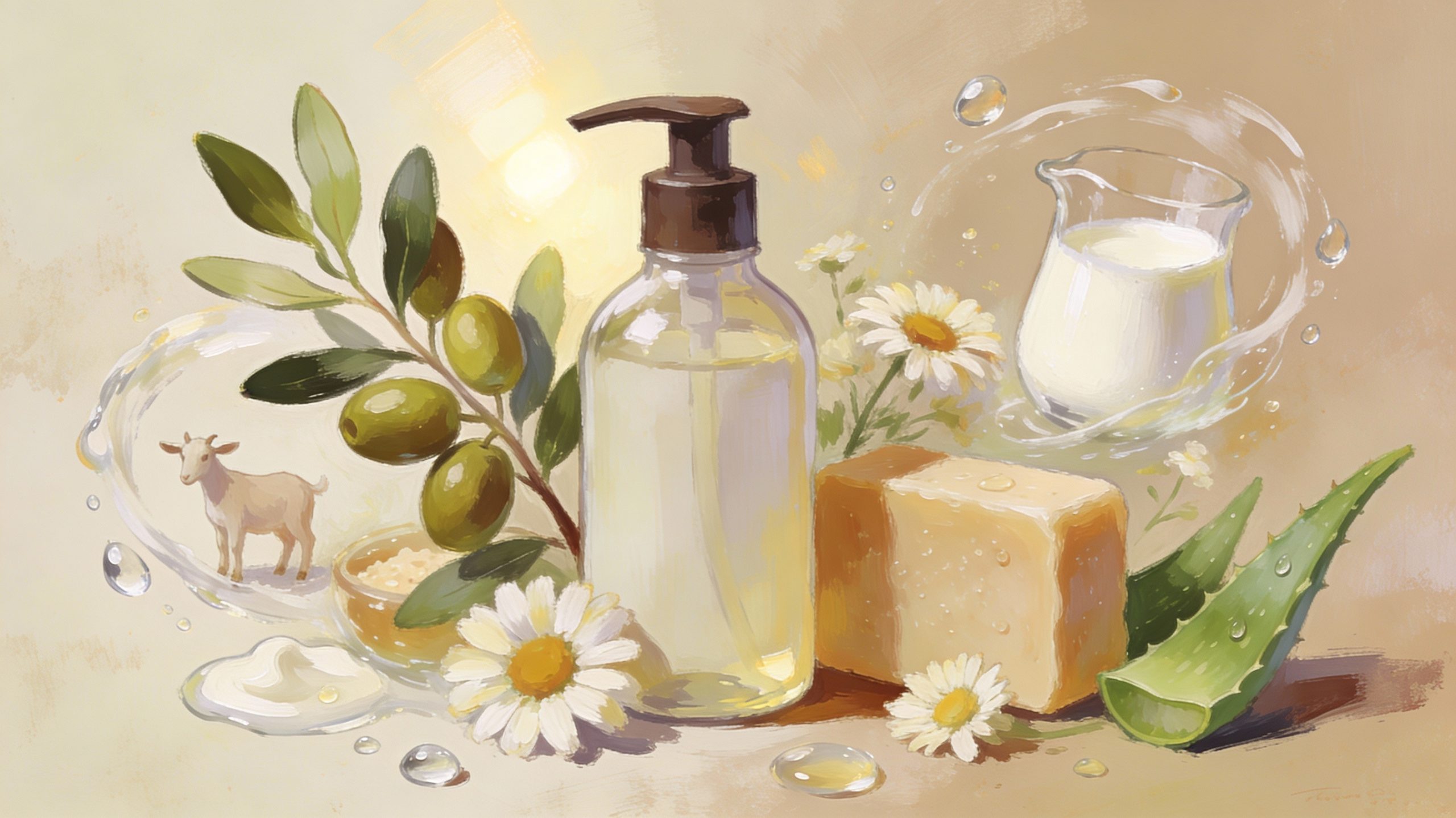
Finding a body wash when you have MCAS or high histamine can be a challenging task. Most commercial body washes are loaded with synthetic fragrances, artificial colours, preservatives, and foaming agents that are triggering mast cells and are hormone disruptors. Even products labeled “natural” or “hypoallergenic” cannot be trusted as they might often contain essential oils…
-
Why This Combination Matters for MCAS, Histamine Intolerance, and Perimenopause Everyone is talking about Magnesium, but what if there is something more powerful that can help ease your symptoms?: magnesium and vitamin C work best when taken together. In my case it’s Mixing Magnesium Malate powder with Ascorbic Acid. The inflammation dropped noticeably, recovery from exercise…
-

If you have MCAS or high histamine issues, you’ve probably tried several deodorants just like me, and many of them were a irritating to your skin. The more reactive your body is, the more every ingredient or fragrance seems to matter. As our bodies are already loaded with toxins and struggling to detox, the safest…
-

If you’ve been experiencing unexplained brain fog, chronic fatigue, bloating, itchy skin, overheating, headaches, heart palpitations or dry burning eyes that seem to worsen after eating certain “healthy” foods or wheat, milk, eggs, larger amount of meat, you might be dealing with sulfur intolerance—a condition that’s gaining recognition in health communities but often flies under…
-
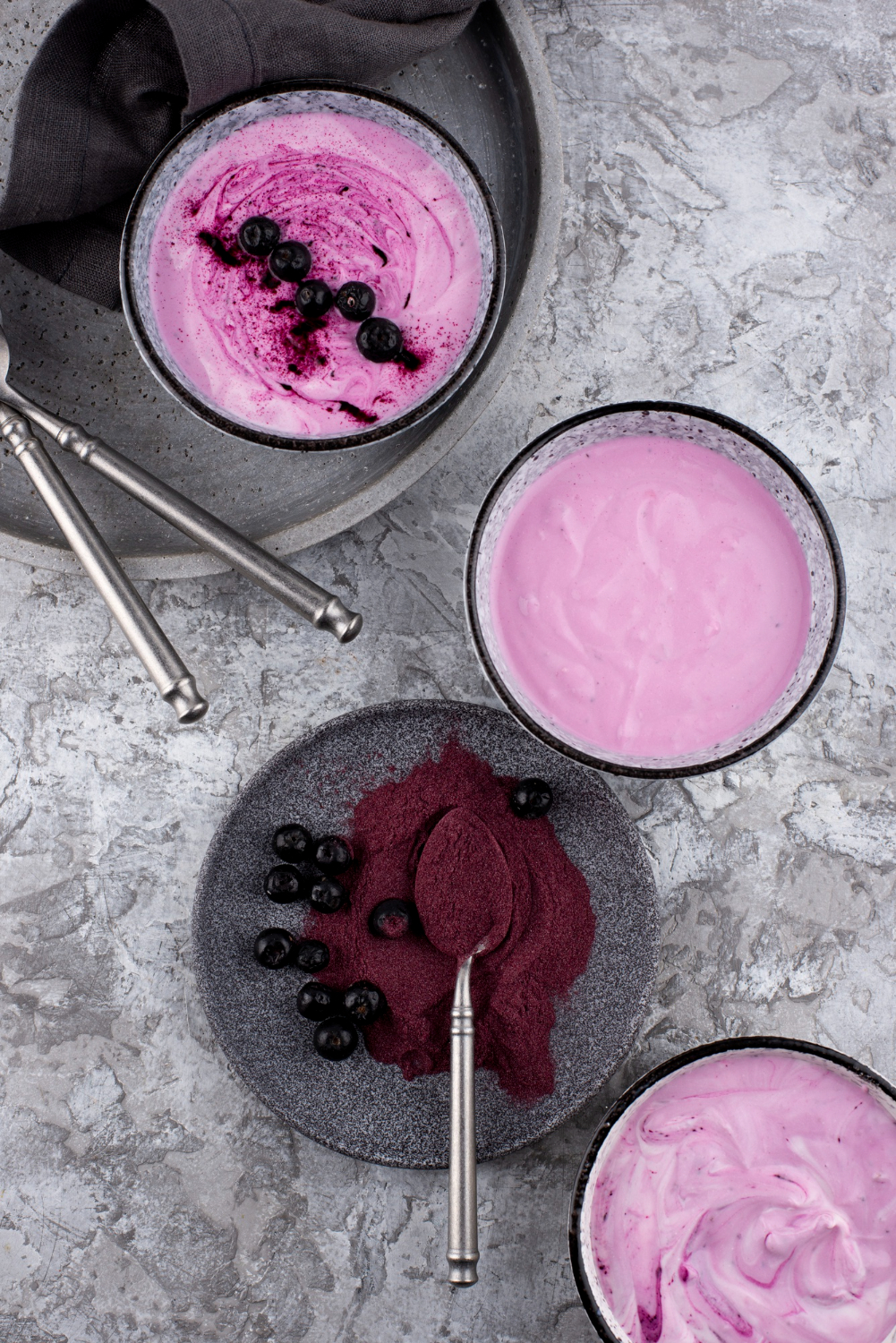
So far, Maqui berry is honestly one of the best superfoods I’ve ever tried. It’s kind of like regular blueberries, but the taste is way more intense and better, the color is this nice neon purple, and it even smells nicer. Maqui comes with a ton of benefits—like lowering cholesterol and inflammation, balancing blood sugar,…
-
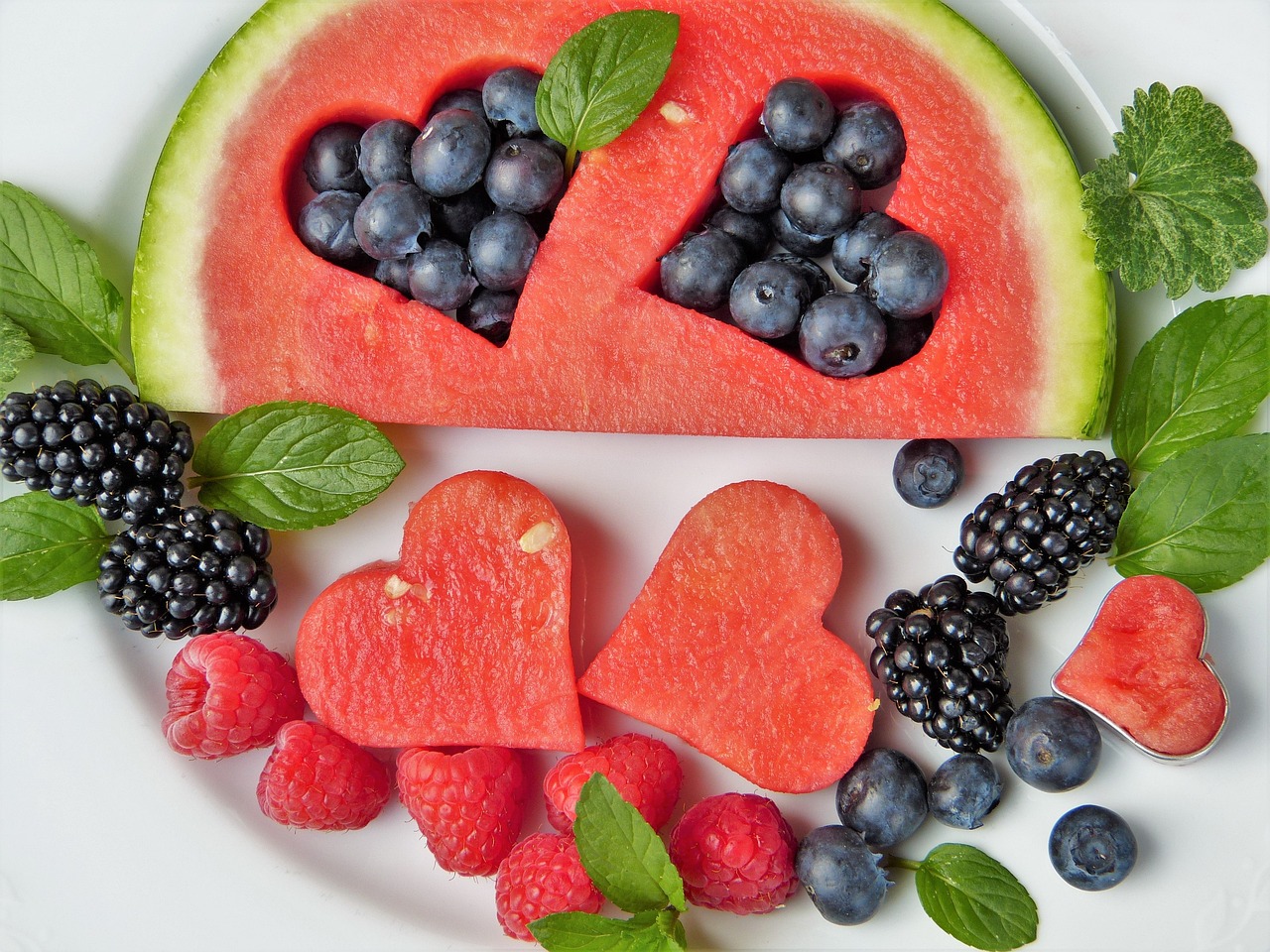
Food allergies and sensitivities are caused by an inappropriate response of the immune system to common foods. 70-80% of the immune system is located in our intestines. How our system functions and responds to various substances is largely determined by our intestinal microbiome, which acts as a ‘coach’ for the immune system. In order to…